
Two-city planning
Coordinate the origin, destination, access, schedule, inventory, and working milestones.
Hogan coordinated equipment, printing, workstations, catering, transportation, and on-site support as the engagement shifted between Allentown and Philadelphia.
Moving an active arbitration environment required coordinated packing, transportation, equipment setup, workstations, production, supplies, food, and daily support without creating a new vendor handoff at the destination.
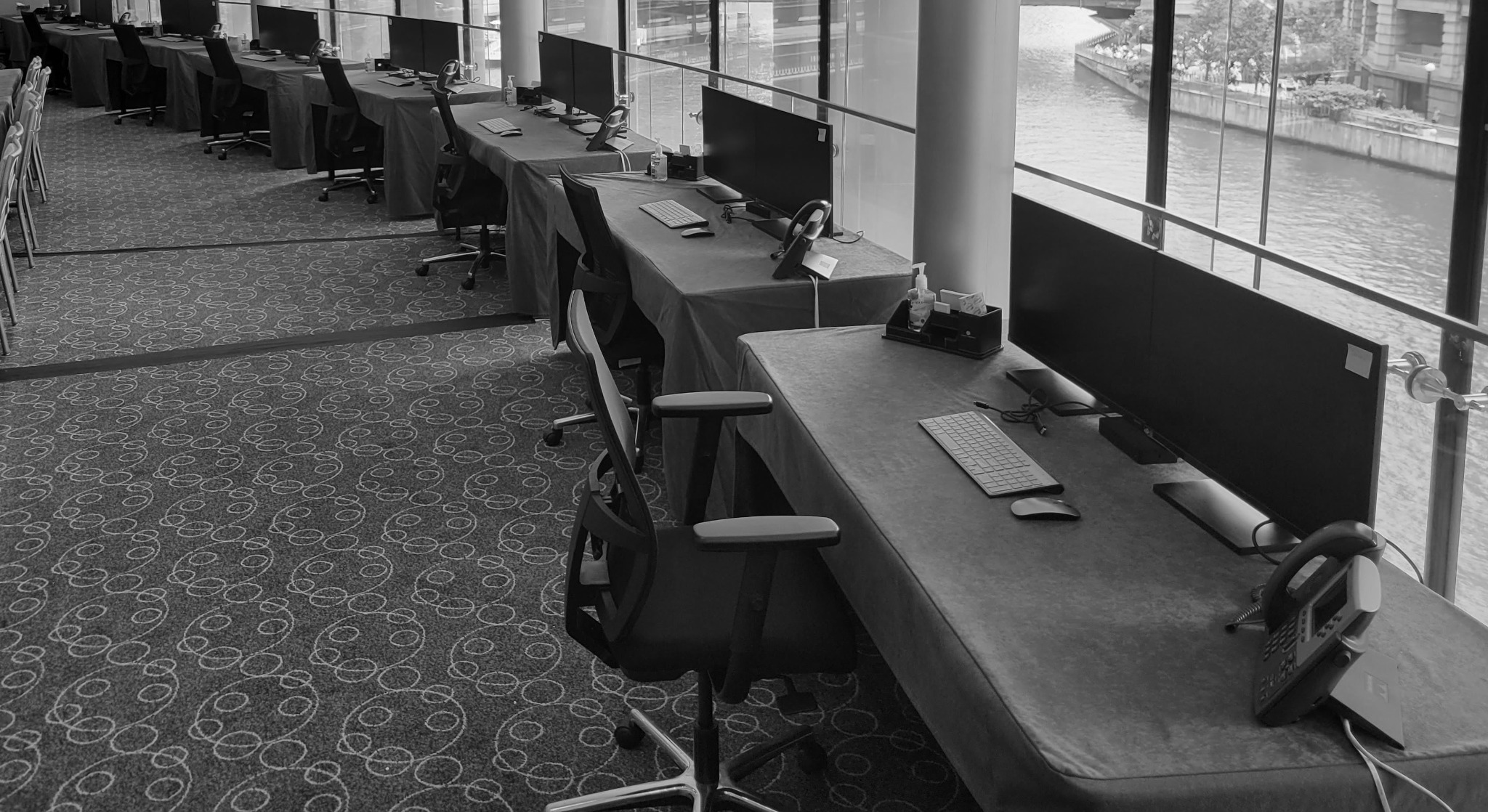
Hogan treated the move, setup, production, transportation, meals, and daily support as connected parts of the same engagement.
Coordinate the origin, destination, access, schedule, inventory, and working milestones.
Move, place, connect, and test the technology environment for the next session.
Keep copying, scanning, binders, exhibits, and supplies available throughout the transition.
Manage people, case materials, luggage, equipment, and approved daily movements.
Coordinate meals, snacks, beverages, timing, setup, and changing headcounts.
Keep one operations team accountable before, during, and after the relocation.
Confirm the city, venue, dates, team size, workflows, equipment, production, logistics, and risk points.
Deliver, install, connect, stock, test, and document the complete environment before the team depends on it.
Hogan personnel stay accountable as the schedule, volume, rooms, and daily priorities change.
Hogan can coordinate the war room, equipment, printing, exhibits, secure networking, courtroom AV, transportation, meals, supplies, and on-site personnel.
Yes. Hogan plans and deploys trial operations nationwide, with project scope and availability confirmed for the city and trial schedule.
Hogan’s operating model centers on owned equipment, company-operated transportation, and dedicated personnel, reducing outside handoffs.
Planning should begin as soon as the city, venue, expected dates, team size, and core service needs are known.
Yes. Hogan’s on-site and operations teams coordinate approved changes as schedules, room needs, headcounts, and production demands evolve.